REBUILDING NEWS. IN REAL TIME.
LATEST News.
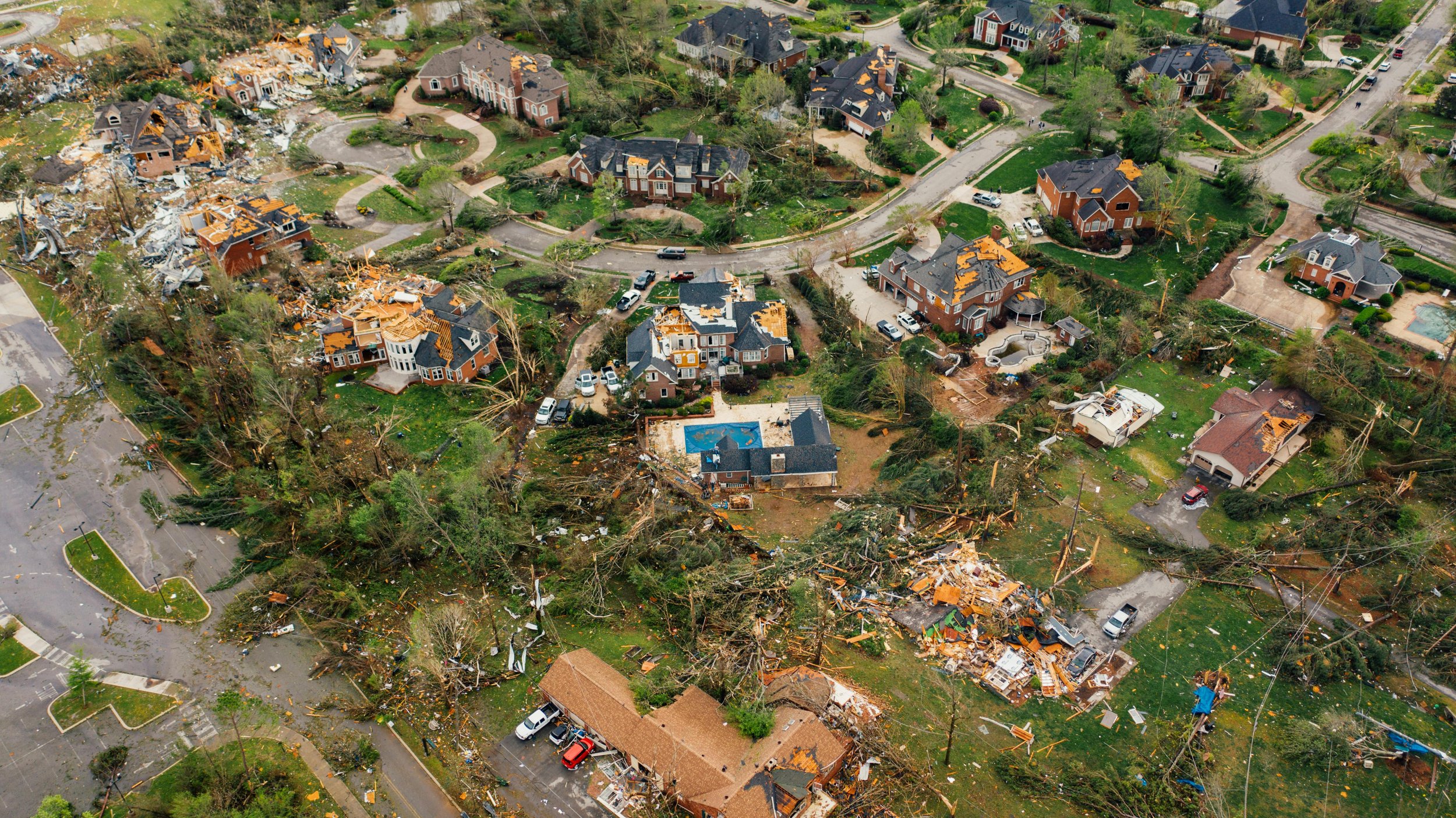
When hurricanes struck Western North Carolina, the storms’ immediate damage was only the beginning. The true test came afterward, as it usually does, when families wait to see how quickly help arrives and how effectively recovery efforts turn plans into rebuilt homes and rebuilt lives. Compared with past storms, this recovery effort is standing out for one reason above all others: speed.
Flood, storm and fire survivors gathered in Washington, D.C., Monday to express their alarm over a leaked report from the FEMA Review Council that proposes halving the agency’s workforce and scaling back federal disaster assistance.
The Oregon Department of Emergency Management (OEM) has rolled out a new tool aimed at making life a little easier for organizations looking to manage FEMA Public Assistance funding when disasters strike. Launched on Tuesday, the OEM Grants platform promises a more streamlined approach for keeping tabs on the funds from the moment they're awarded until the final sign-off. As Oregonians know, natural calamities wait for no one, and neither should the support systems in place to aid in their recovery.
Georgia homeowners will soon be able to open catastrophe savings accounts to help cover disaster-related expenses as insurance deductibles keep rising.
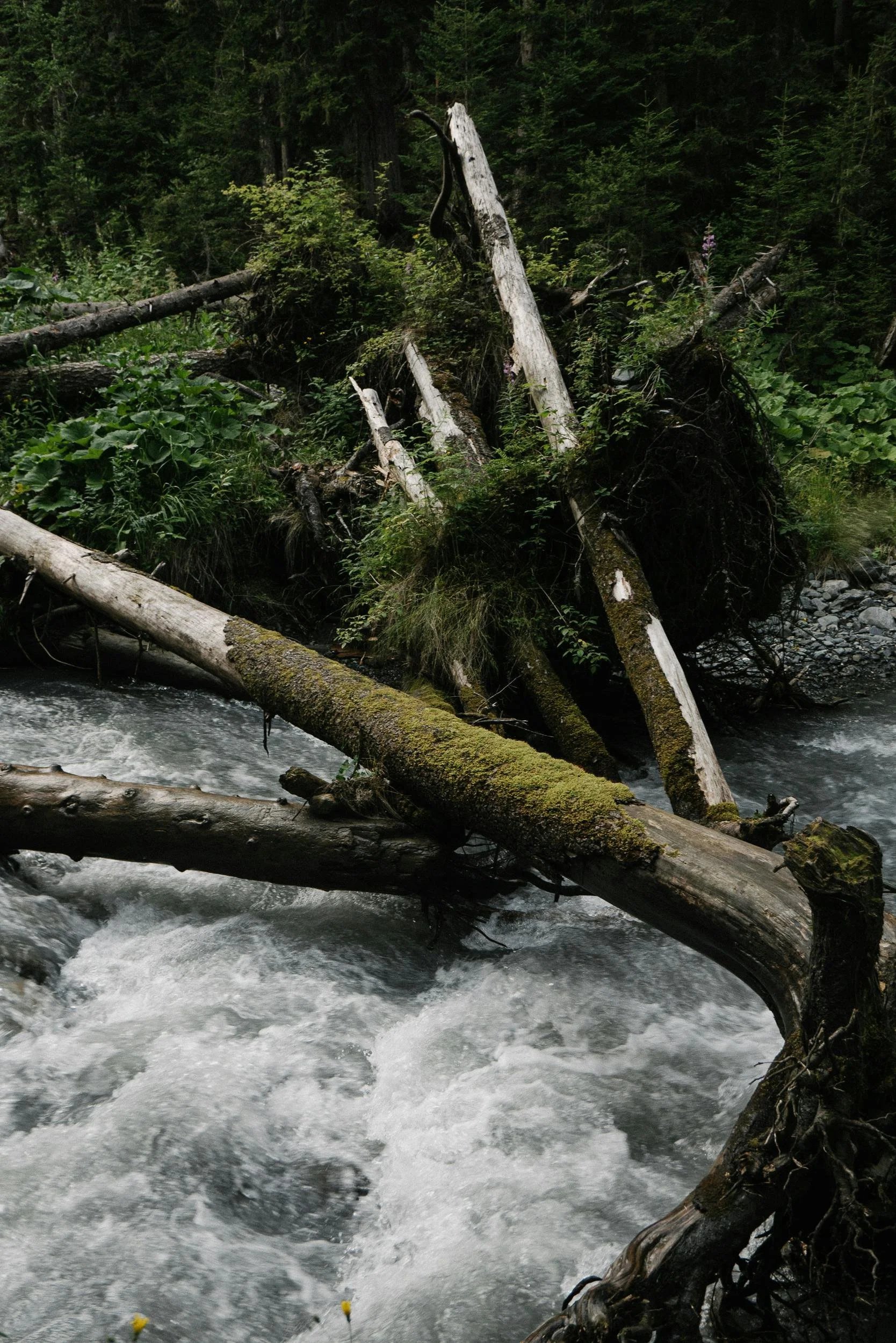
An atmospheric river, whose moisture spanned a remarkable 7,000 miles across the Pacific from the Philippines to the Pacific Northwest, caused record river levels and destructive flooding across Washington state this week.
Insights
The headline sounds encouraging: hundreds of millions in federal relief are finally flowing to Georgia after Hurricane Helene. The story behind the headline tells a harder truth about disaster recovery: communities shouldn’t have to wait months for reimbursement to clear debris, reopen roads, or restore power. The Associated Press reports that FEMA is sending roughly $350 million to Georgia localities and electric co‑ops after accusations of delays, with officials noting even larger sums remain pending. The lesson isn’t about blame; it’s about building a system that moves money as quickly as the water rose.
This week’s atmospheric river didn’t just swamp Western Washington. It revealed how recovery still defaults to speed over sense. Evacuations, mudslides, rail service suspended, highway closures - the familiar cascade after torrents push rivers past major flood stage from the Skagit to the Snoqualmie. Emergency declarations and rescue operations are essential. But if we want fewer repeat losses next year, the bigger test comes after the water drops.
Accountability isn’t optional after a disaster. On November 12, Senators Rick Scott and Ron Johnson sent a detailed document request to California Parks and Recreation Director Armando Quintero ahead of today’s field hearing in Pacific Palisades. Their letter seeks training manuals, mutual‑aid agreements, prescribed‑burn records, and any draft after‑action reports tied to the Palisades and Lachman fires - materials that can reveal who was responsible for what, and when.
Western Alaska just lived through a catastrophe most Americans never saw. The remnants of Typhoon Halong slammed the Yukon - Kuskokwim Delta in mid-October, driving hurricane‑force winds and a storm surge roughly six feet above normal into roadless Alaska Native villages like Kipnuk and Kwigillingok. Homes floated off foundations, boardwalk roads were shredded, and essential services failed. At least one person died and two remain missing. Hundreds were airlifted out in one of the largest evacuations in state history, yet national coverage barely registered the scale.
The United States caught a lucky break this fall. For the first time in a decade, the U.S. reached the end of September without a single hurricane making landfall as a hurricane on the mainland: a rare reprieve noted by AccuWeather and reported by outlets tracking this “quiet” landfall year. Luck isn’t a strategy, and the Atlantic season runs through November. Winter hazards are next.
Stay ahead of disaster recovery with real-time updates, expert insights, and on-the-ground reports. We track storms, wildfires, outages, and rebuild efforts to deliver concise, actionable news for responders, communities, and decision-makers.
About
US