REBUILDING NEWS. IN REAL TIME.
LATEST News.
More than 18 months after Hurricane Helene carved a path of destruction through western North Carolina, the state's long-term recovery program is delivering completed homes to survivors and preparing to launch a $193.5 million infrastructure grant competition — the largest investment yet in the region's rebuilding effort.
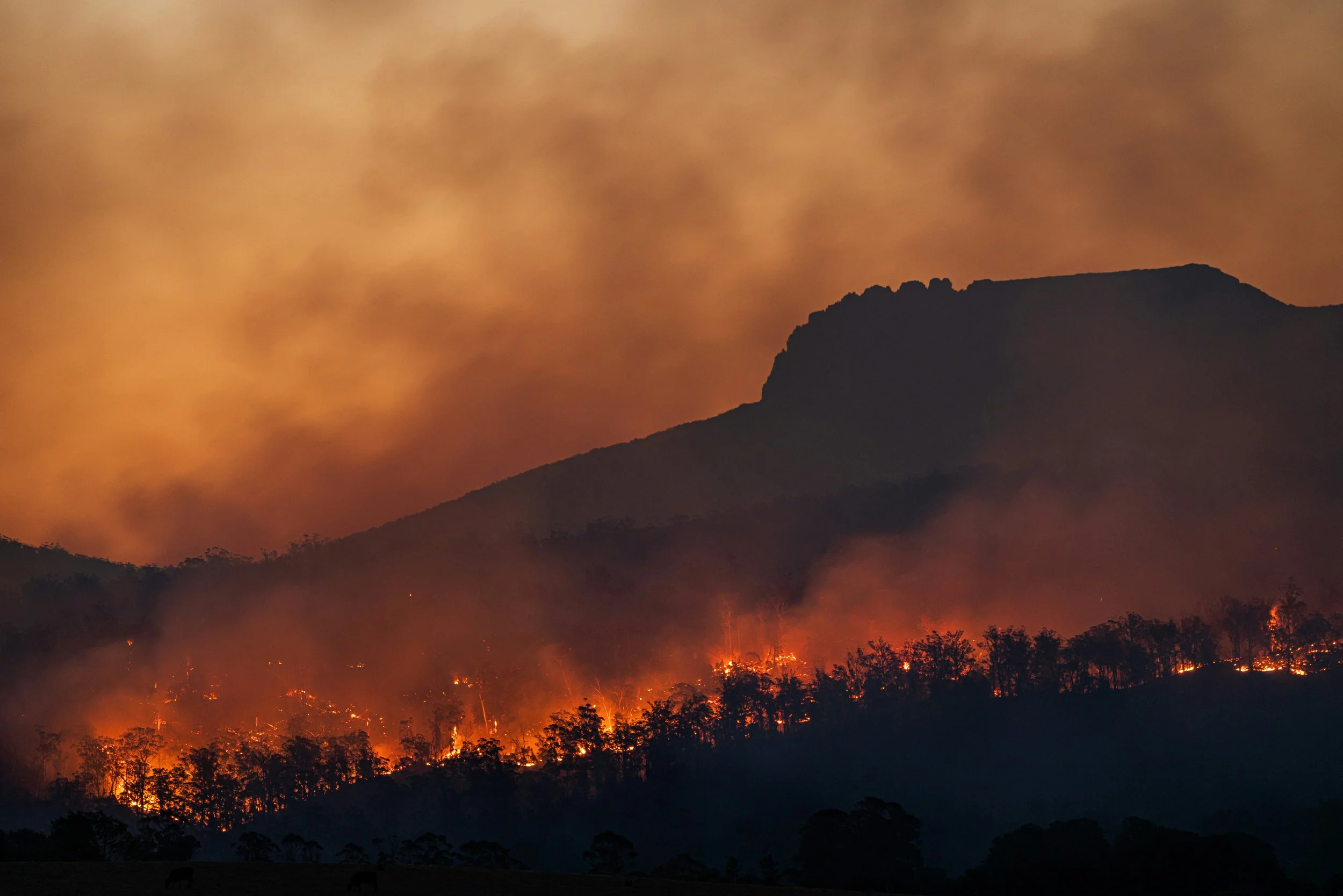
A long-promised rebuilding report meant to guide recovery efforts in Pacific Palisades following last year’s devastating wildfire has still not been released, months after its expected completion date, raising concerns among residents trying to rebuild.
Homeland Security Secretary Markwayne Mullin rescinded a rule that required DHS approval for all expenditures over $100,000, a move widely seen as a significant step toward unblocking stalled FEMA disaster relief efforts. The rule had been a major bottleneck slowing the flow of aid to disaster-affected communities across the country.
The state of Hawaii is still waiting on federal assistance nearly two weeks after the second Kona Low caused widespread devastation. Gov. Josh Green submitted a request for a Presidential Disaster Declaration eight days ago, on March 23, and as of Tuesday his office said they have yet to hear back on its status. If approved, it would unlock FEMA support including funding for debris removal, hazard mitigation, infrastructure repairs, and individual assistance.
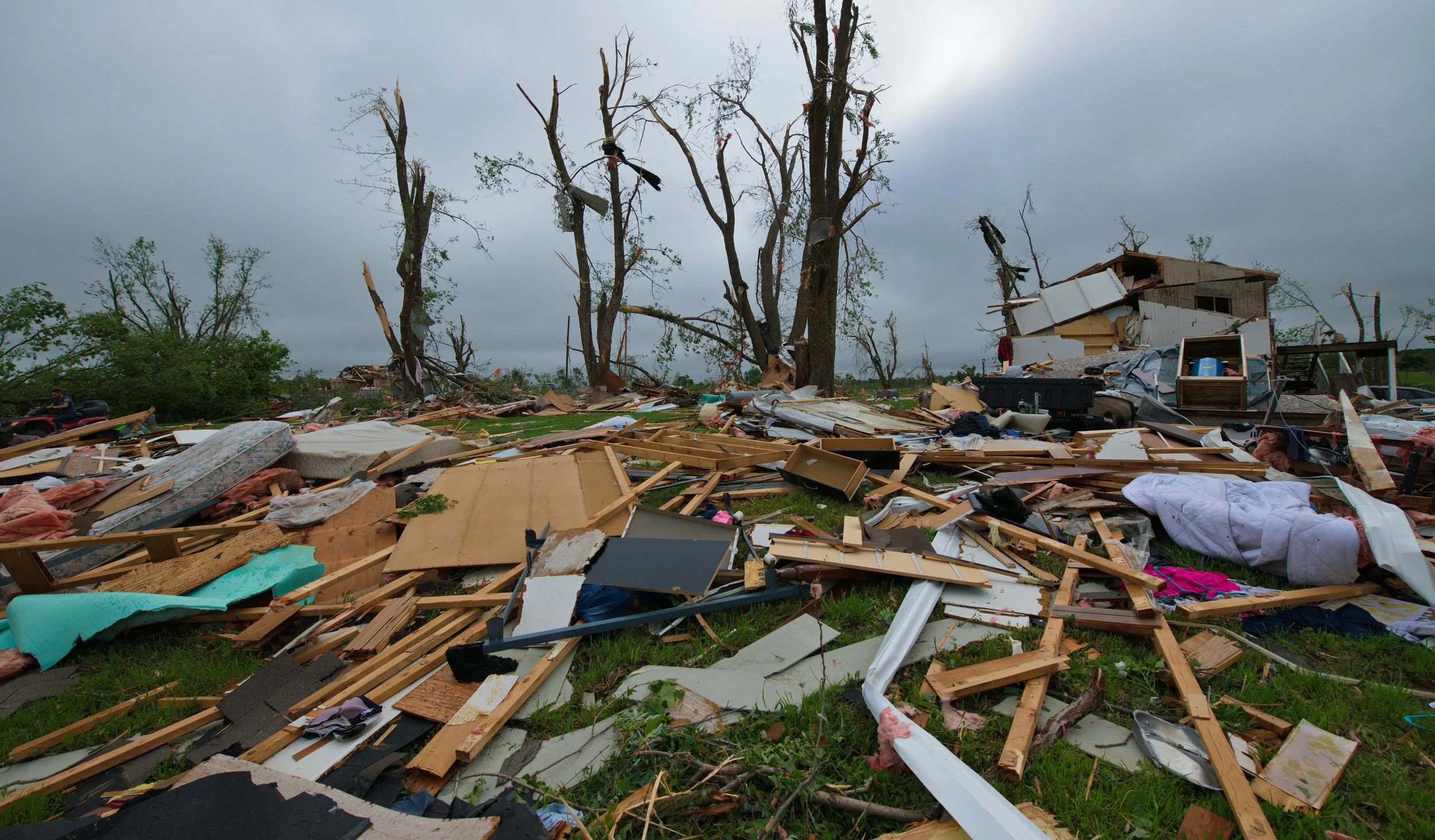
Little Rock Mayor Frank Scott Jr. marked the third anniversary of the EF-3 tornado that devastated parts of the city, noting that while significant progress has been made, recovery efforts are still ongoing in some neighborhoods. Housing assistance programs, repairs, and reconstruction continue for residents who lost their homes or sustained major damage in the storm.
Insights
For a community still carrying the weight of one of the deadliest wildfires in American history, the timing couldn't be worse. Maui County is now deep into the recovery phase of a catastrophic storm event — one that emergency managers are calling the worst flooding in living memory on the island.
Congress is considering legislation that would fundamentally reshape how the federal government manages disasters. The Fixing Emergency Management for Americans Act - known as the FEMA Act - has attracted more than 50 co-sponsors from both parties . The bill proposes several changes to how the federal government manages disaster response and recovery.
A sprawling winter system is about to grade how well the country performs under pressure. Warnings of heavy snow from the Plains through the Northeast and destructive ice from Texas across the mid‑South to the Carolinas are already triggering emergency declarations and mobilizations. Forecasts point to widespread power cuts, treacherous travel, and life‑threatening cold lingering into next week. That’s not hyperbole; it’s the common thread in today’s alerts from forecasters and governors, and it’s the checklist that matters for recovery.
The headline sounds encouraging: hundreds of millions in federal relief are finally flowing to Georgia after Hurricane Helene. The story behind the headline tells a harder truth about disaster recovery: communities shouldn’t have to wait months for reimbursement to clear debris, reopen roads, or restore power. The Associated Press reports that FEMA is sending roughly $350 million to Georgia localities and electric co‑ops after accusations of delays, with officials noting even larger sums remain pending. The lesson isn’t about blame; it’s about building a system that moves money as quickly as the water rose.
This week’s atmospheric river didn’t just swamp Western Washington. It revealed how recovery still defaults to speed over sense. Evacuations, mudslides, rail service suspended, highway closures - the familiar cascade after torrents push rivers past major flood stage from the Skagit to the Snoqualmie. Emergency declarations and rescue operations are essential. But if we want fewer repeat losses next year, the bigger test comes after the water drops.
Five Lahaina families are stepping into the housing market with “shopping letters” that finally let them make competitive offers on homes, a long-awaited turn from uncertainty to stability after the 2023 fires. It’s exactly the kind of practical, fast-moving help survivors have asked for: assistance that works with the realities of Maui’s housing market and gives displaced families real leverage to buy and stay rooted in their community.
Accountability isn’t optional after a disaster. On November 12, Senators Rick Scott and Ron Johnson sent a detailed document request to California Parks and Recreation Director Armando Quintero ahead of today’s field hearing in Pacific Palisades. Their letter seeks training manuals, mutual‑aid agreements, prescribed‑burn records, and any draft after‑action reports tied to the Palisades and Lachman fires - materials that can reveal who was responsible for what, and when.
Western Alaska just lived through a catastrophe most Americans never saw. The remnants of Typhoon Halong slammed the Yukon - Kuskokwim Delta in mid-October, driving hurricane‑force winds and a storm surge roughly six feet above normal into roadless Alaska Native villages like Kipnuk and Kwigillingok. Homes floated off foundations, boardwalk roads were shredded, and essential services failed. At least one person died and two remain missing. Hundreds were airlifted out in one of the largest evacuations in state history, yet national coverage barely registered the scale.
The United States caught a lucky break this fall. For the first time in a decade, the U.S. reached the end of September without a single hurricane making landfall as a hurricane on the mainland: a rare reprieve noted by AccuWeather and reported by outlets tracking this “quiet” landfall year. Luck isn’t a strategy, and the Atlantic season runs through November. Winter hazards are next.
Stay ahead of disaster recovery with real-time updates, expert insights, and on-the-ground reports. We track storms, wildfires, outages, and rebuild efforts to deliver concise, actionable news for responders, communities, and decision-makers.
About
US